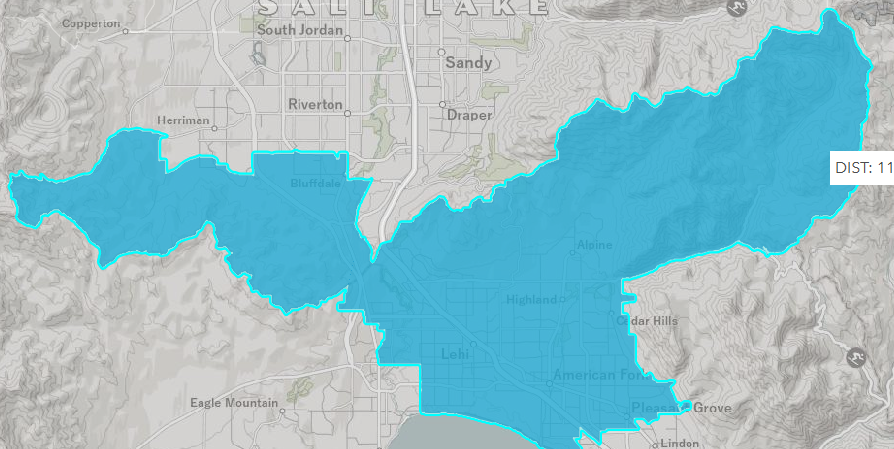
The open seat for Utah State School Board District 11 brings two well-credentialed candidates to the June primary. With incumbent Cindy Davis stepping down, the race pits Terry Hutchinson against Tracy Nuttall. Both candidates want better outcomes for students. They differ considerably on how to get there and who should be making the calls.
Terry Hutchinson – Getting Back in Line with Conservative Principles
Hutchinson grew up in Alpine, attended BYU Law School, and served in the Army before raising his family in southern Utah. He has been back in Utah County for about eighteen months. He has served on a local school board in Washington County.
Hutchinson’s pitch begins with a critique of the current board. He believes the State School Board has drifted from the conservative values of the majority of the state and wants to pull it back. He is vocal about voting records being hard for voters to track and cited a specific vote by Cindy Davis against accepting waivers for federal funding as an example of where the board has gone wrong.
Davis, when asked, said she voted no on a motion to have staff determine which waivers to seek, not against the waivers themselves. Her position: waiver decisions are the board’s job, not the staff’s.
Libraries, Curriculum, and the Loophole Problem
Hutchinson sees a category problem at the heart of Utah’s ongoing school library debate. Libraries were historically treated differently from classroom materials, and he argues educators have exploited that gap.
- Libraries are now treated as part of the curriculum, which has triggered an ongoing lawsuit
- His position: content that describes sexual acts, whether in pictures or words, doesn’t belong in school libraries
- Under current policy, if three districts remove a book it is removed statewide unless the board overrules it
- He supports local control on these decisions, provided they don’t violate parent rights or student safety
The Disruptive Student Problem
Hutchinson’s priority is getting disruptive students out of classrooms. Removing them protects the learning environment for everyone else. He acknowledged that handling those students properly requires funding and separate facilities, but his emphasis was on the removal itself rather than on what comes next.
Pay As You Go and the Bond Problem
During his time on the Washington County school board, Hutchinson used a pay-as-you-go approach to school finance. Current state law limits how much districts can save, which undercuts that model. He raised it as an example of state policy working against sound local financial management.
How He Operates
Hutchinson describes himself as a coalition builder and results-oriented. He talks about listening to experts before making independent decisions and getting other board members on board rather than going it alone. His schedule is flexible, and he mentions taking in large volumes of material quickly, referencing a 2,600-page packet as routine.
Books Hutchinson said he has recently read or is currently reading:
- The Winds of War — Herman Wouk (reread)
- The Iliad (new translation, reread)
- 1942 — Robert Parchal (advanced copy)
Hutchinson also noted he is the author of Temple: Pathway to Heaven.
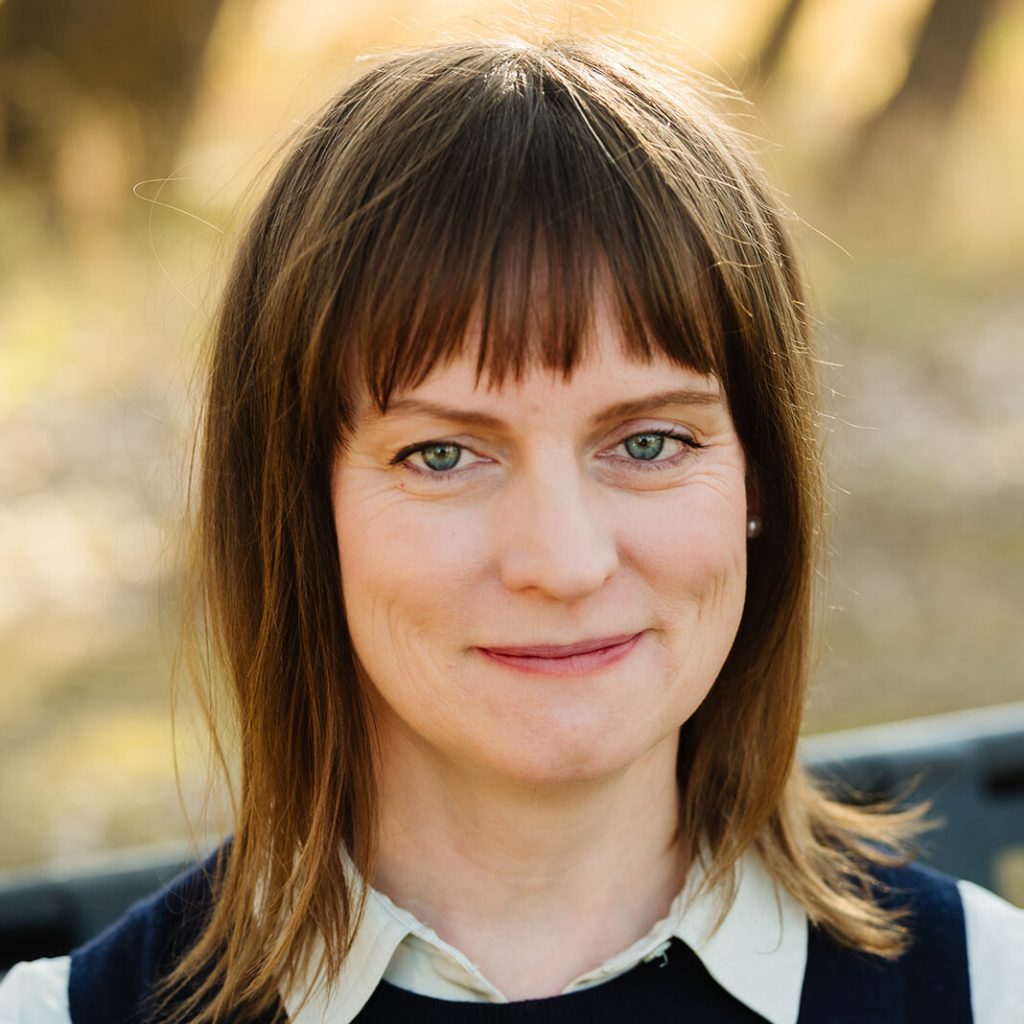
Tracy Nuttall – Academics First, Politics Second
Nuttall is a mother of three whose kids have attended Lone Peak, Timberline, and a local elementary school. A BYU Law graduate, she has worked as an education attorney drafting legislation for the Utah Legislature and for the State Board of Education on an administrative rules project. She currently serves as a liaison between the tax commission and the legislature. Both she and her husband are products of public education.
Her core argument is simple: the board should be focused on academic outcomes, not scoring political points. She believes most of the people in the room — legislators, board members, district administrators, teachers, parents — want good results for students, and that the fights obscuring that common ground can be resolved.
The Case Against Legislative Overreach in Education
The Utah Legislature passes or attempts to pass roughly 200 education bills every year. Nuttall thinks that’s too many and too specific.
- Her position: the legislature sets the framework, the state board fills it in, and districts handle local implementation
- When the legislature gets too prescriptive, local control gets squeezed out
- More sensitive issues are often better resolved at the local level
- Her work with legislators sometimes involves talking them out of bills, not pushing new ones
AI, Assessments, and the Honest Limits of Expertise
Nuttall was candid that she is not an expert on student assessments, which she described as genuinely complex. She wants to spend time on improving assessments and is curious about how AI could change what’s possible in measuring student progress.
- She experimented with AI in a legislative context.
- She has real concerns about teaching to the test and whether assessments consume too much instructional time.
Relationships Over Ideology
Nuttall’s operating theory is that everyone at the table wants good outcomes for public education. The work is finding where interests overlap.
- She studied conflict resolution at BYU Law School and cited High Conflict by Amanda Ripley as a current resource she’s looking into
- She describes herself as very supportive of parent choice while acknowledging we may be finding some of the limits to flexibility as parents are raising concerns about their students being prepared for the workforce
- She has also been looking at workforce advisory connections — how schools can better align academic outcomes with what students need when they leave
Books Nuttall said she is currently reading:
High Conflict — Amanda Ripley